Native to Central Asia, watermelons can now be found and eaten all across Japan. It's said that they first arrived here in the mid-17th century via China. The pictures in this post were all taken in my neighborhood – Central Tokyo. A morning walk in August is exhausting, but finding these mini watermelons is so refreshing!
You can see how small they are in the first photo, where one is compared to a 100-yen coin (22.6mm in diameter). It's a baby, but it already has stripes! The second photo shows a watermelon left behind by a bird or a mouse (?). The fourth photo shows a watermelon still growing—they don't start out round!
 |
| 8/15/2024 |
 |
| 8/15/2024 |
 |
| 8/15/2024 |
 |
| 8/15/2024 |
 |
| 8/9/2024 |
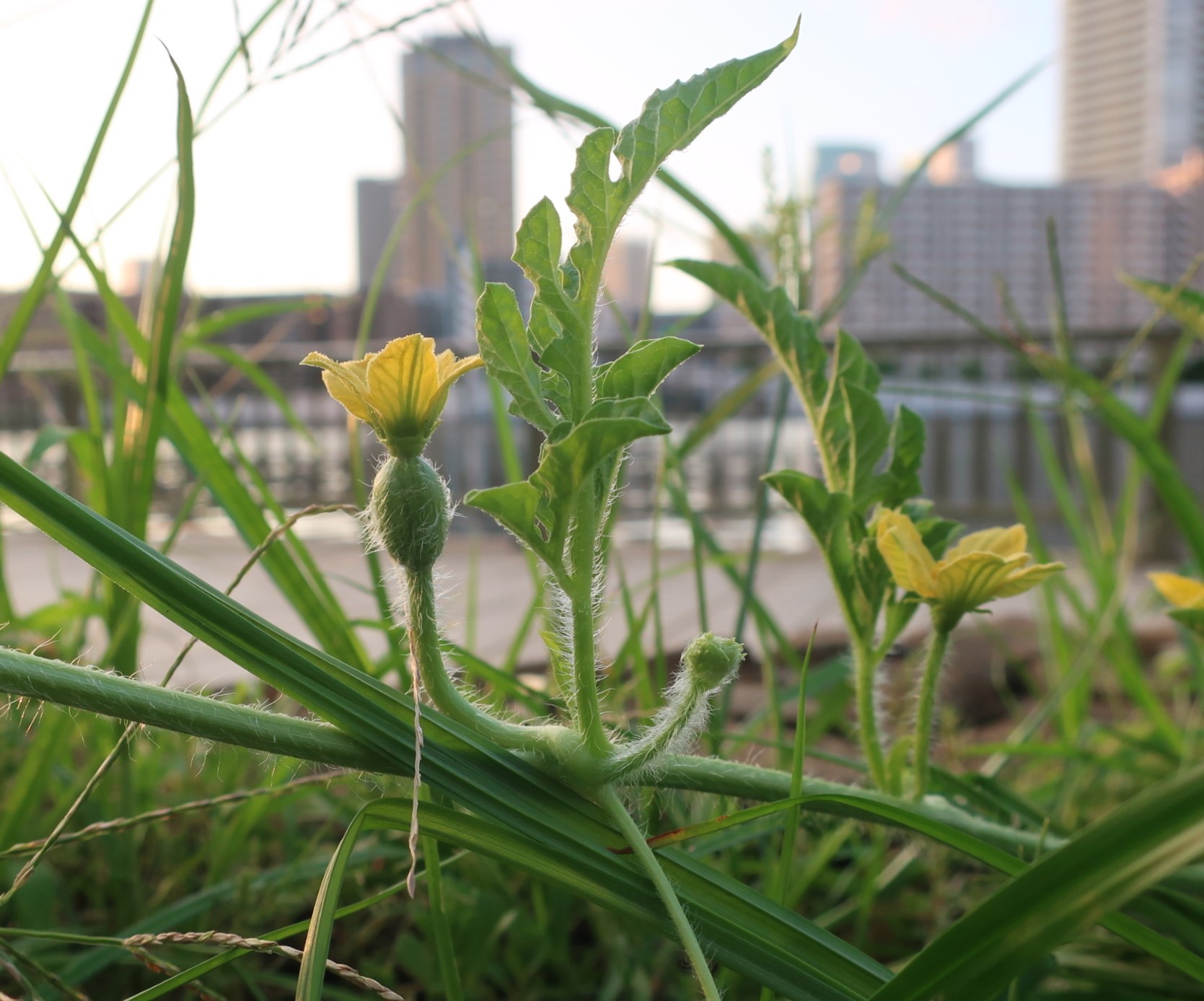 |
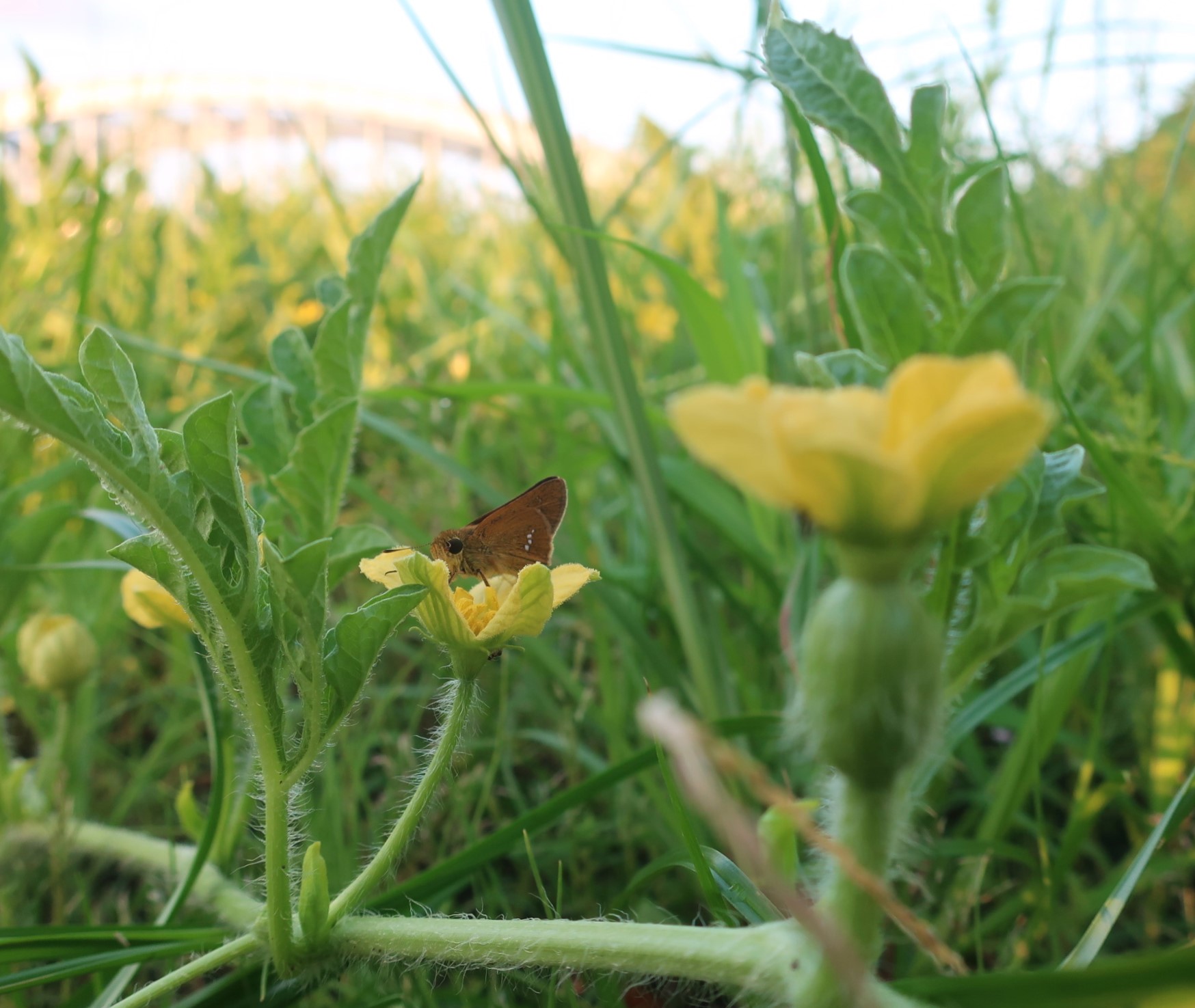
| 8/9/2024 A female (left) and a male flowers 雌花(左)と雄花 |
 |
| 8/9/2024 |
 |
| 8/9/2024 |
 |
| 8/6/2024 |
 |
| 8/6/2024 |
 |
| 8/13/2020 |
 |
| 8/13/2020 |
(If you wish to post your comment but don't have a Google account, select "anonymous" from the drop down menu titled "comment as"!)
8月のウォーキングは暑さでうんざりですが、思いがけないこともあります。例えばミニスイカ!ミニのくせにいっちょまえに縞々はあるんです。食べかけも発見しました(2枚目)。4枚目を見るとスイカの成長が分かります。最初は丸くないんですね。
(Google アカウントを持ってない方は、コメント記入後に「Google アカウント」をクリックし、「匿名」か「名前/URL」を選択してからご記入ください!)


0 件のコメント:
コメントを投稿