ラベル Dioecious(雌雄異株) の投稿を表示しています。 すべての投稿を表示

Chinese Cucumber (Trichosanthes Kirilowii) キカラスウリ(黄烏瓜)

英語の後に日本語が続きます。

Chinese cucumbers (Trichosanthes kirilowii) are native to China and Japan. They're dioecious, producing white "hairy" flowers from June to September and fruits from August to October. The fruits are green at first and then turn yellow. They're edible but not tasty. Someone says on the internet that he would never eat it unless famine comes😆. It's not so difficult to find Chinese cucumber flowers in Tokyo but not so when it comes to the fruits. It seems Chinese cucumbers are removed when the flower season is over.     

When you see the flowers, you would likely see pumpkin beetles (Aulacophora nigripennis), too. Pumpkin beetles are harmful but their tininess, agility and color contrast between orange and black never fails to bring me a smile.  

2022/6/28

2024/6/12

East Asian Mallotus (Mallotus Japonicus) アカメガシワ(赤芽柏)

英語の後に日本語が続きます。

East Asian mallotus (Mallotus japonicus) is native to East Asia and can be found across Japan. The tree is dioecious, producing male and female flowers on separate trees from June to July. The trees in this post are all female with female flowers, producing clusters of fruits and seeds (scroll down) in two months. The three to four branched red parts of the female flowers are stigmas.

2026/6/29

Longstalk Holly (Ilex Pedunculosa) ソヨゴ(戦)

英語の後に日本語が続きます。

Longstalk holly (Ilex pedunculosa) is native to Asia and can be found across Japan. The tree produces tiny white flowers (about 1 cm in diameter) from May to June and red fruits from October to November.  

Longstalk holly is dioecious, which means they have male and female flowers. Scroll down to see male and female flowers!  

2022/5/27 Female flowers

2026/5/15 Male flower

Mulberry (Morus) クワ(桑)

英語の後に日本語が続きます。

Mulberry (Morus) is native to China and Korea, coming to Japan in at the latest 12 century. The tree produces flowers in April and fruits from May to June, which are first green, turning to yellow, red and then deep purple. Mulberries are eaten raw or processed into jam and alcoholic drinks, which I've never tried.  

The fact the trees now have berries means that they had flowers in April but I missed them. In general, mulberries are dioecious, which means they have male and female flowers. Now I know where they are, I already look forward to seeing both male and female flowers next spring.    

2026/5/8

2026/5/7

False Daphne (Daphniphyllum Macropodum) ユズリハ(楪)

英語の後に日本語が続きます。

False daphne (Daphniphyllum macropodum) is native to Japan, Southern Korea, China, Malaysia, and Indonesia. The tree produces clusters of tiny flowers from April to June and fruits from June to December, which turn black in October and November.  

Daphniphyllum macropodum's Japanese name is "yuzuriha," which translates into "giving/offering leaf," after the fact that older leaves drop in spring after the shrub starts to grow new leaves, which looks like older leaves offering their places to younger ones. Survivors of 2011 Japan Tohoku Earthquake and Tsunami were reported to have helped each other by giving and offering food and water to each other. Some may find it naïve and I'm not sure I can be so generous in similar circumstances but such a spirit of caring, sharing, and helping each other may be needed most now. 

2026/5/7

Weeping Willow (Salix Babylonica) シダレヤナギ(枝垂柳)

英語の後に日本語が続きます。

Weeping willow trees are native to China, coming to Japan during the Nara period (710 to 794). The trees are known for their highly flexible, long, and pendulous twigs, under which ghosts are said to appear in Japan. The flowers, however, are unexpectedly pretty. The willows are dioecious and I think those in these pictures are male.   

2026/3/15

2026/3/15

Rose-Gold Pussy Willow (Salix Gracilistyla) ネコヤナギ(猫柳)

英語の後に日本語が続きます。

They were fluffy buds in mid-February (6th photo) and today they're fully open, partly frozen in an unexpectedly cold weather (3rd photo). They're rose-gold pussy willow flowers (Salix gracilistyla). The rose-gold pussy willow is dioecious, which means this willow is male or female, but it was too difficult for me to determine the sex, so I gave up.    

The rose-gold pussy willow is called "neko yanagi" in Japanese, which translates to "cat🐈 willow,"  unusually the same meaning between English and Japanese. The willow symbolizes freedom.  

2025/4/1

2025/4/2

2025/4/2


2025/4/2

Female Watermelon Flowers and Common Straight Swift スイカ(西瓜)と一文字セセリ

英語の後に日本語が続きます。

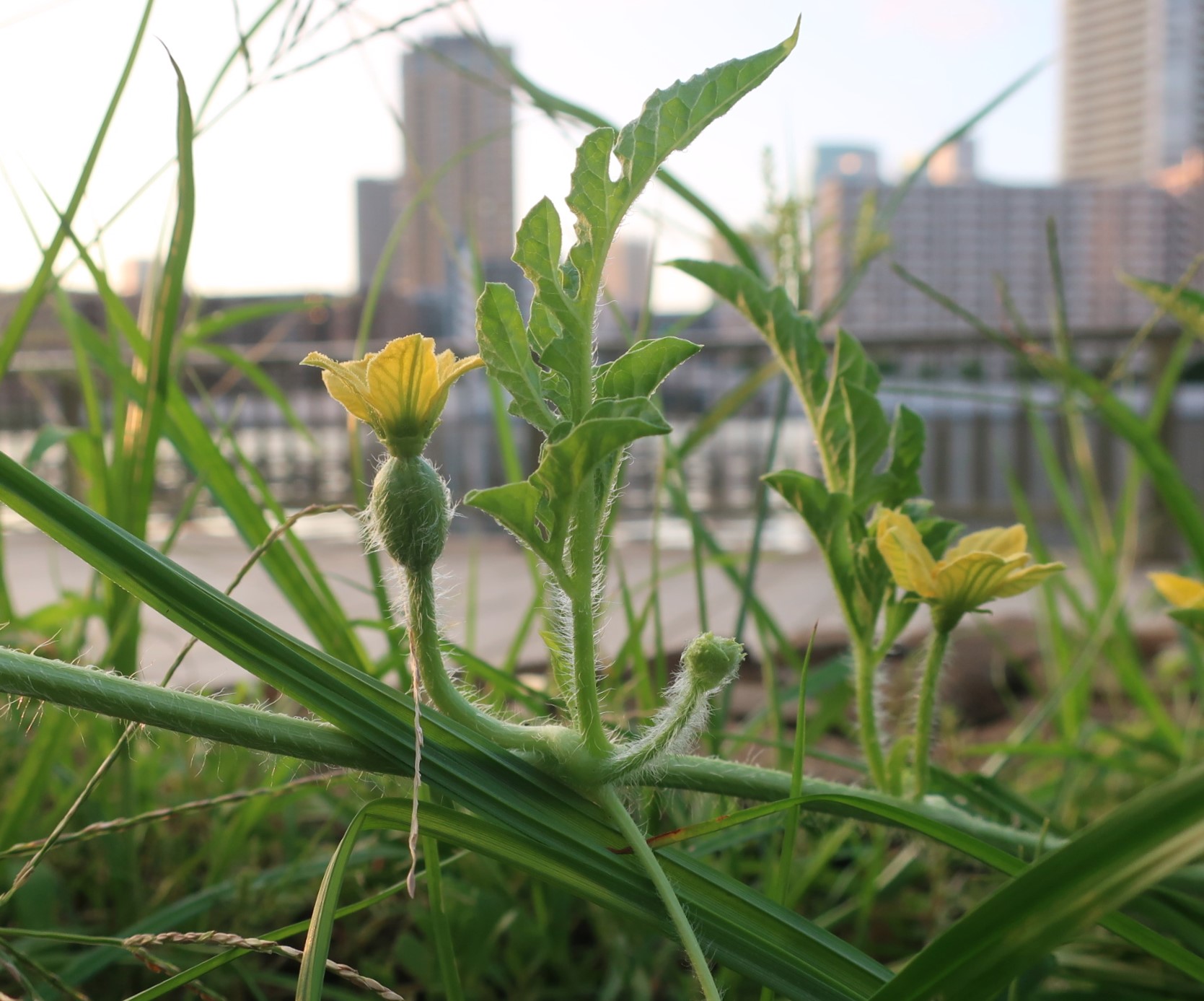
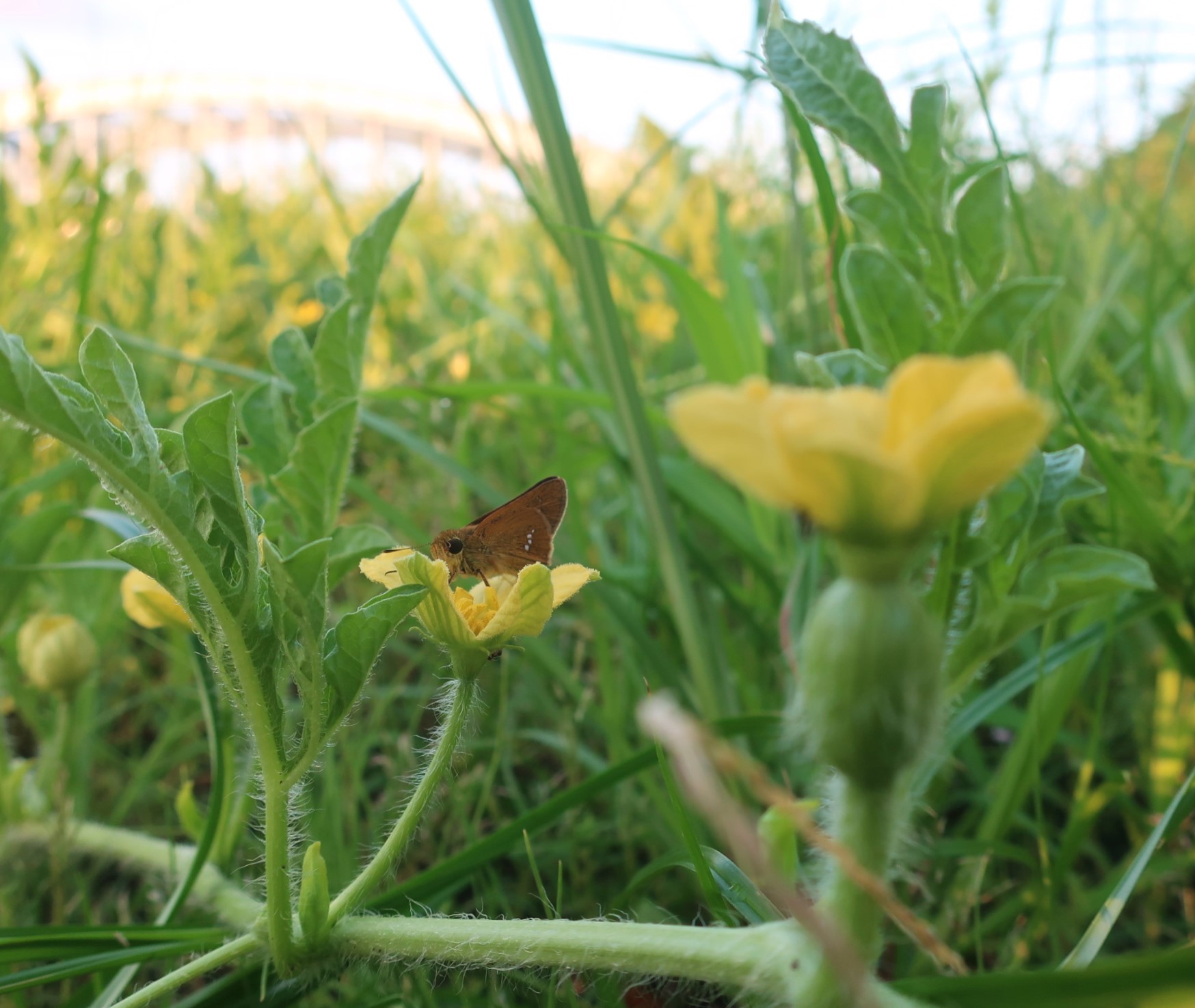
I'm very happy I was wrong😆. Today, I found a couple of female flowers and baby watermelons🍉!! A few days ago, I found watermelon flowers but at that time only the male ones. I had hope however that I might be able to see the female ones, so kept observing them and voila!! This morning, I found a few female flowers plus a common straight swift (Parnara guttata) on one of them 𝅘𝅥𝅯𝅘𝅥𝅯 (3rd photo)!

As you see, the watermelon is dioecious, i.e., male and female flowers growing on a single plant (2nd photo). And unlike bitter gourds, which are also in the gourd family as watermelons are, it's very difficult to tell the male from the female only based on their appearances without looking at the back of the flowers where a fruit grows. Bitter gourd female flowers have yellow green centers (whereas a watermelon has a yellow center; see the 4th photo). From today on, I'll keep watching the growth of these baby watermelons!!! 

A watermelon female flower スイカの雌花


A female (left) and a male flowers 雌花(左)と雄花

A common straight swift on a male flower 雄花の上に一文字セセリ到来

A female watermelon flower スイカの雌花は花芯が黄色

Angled Sunbeam (Curetis Acuta) ウラギンシジミ(裏銀小灰蝶)

英語の後に日本語が続きます。 Some butterflies look completely different when their wings are open versus closed. One example is the angled sunbeam (Cureti...